Our Blog
Resources for your business growth.
The web development landscape is undergoing a profound evolution, with Artificial Intelligence (AI) emerging as the most significant catalyst for change. Far from being a niche tool, AI is now deeply embedded across the entire lifecycle of creating, building, and optimizing websites and web applications.
Bespoke, or custom, development refers to the process of building a unique piece of software, a website, or an application entirely from scratch, tailored precisely to a business's unique requirements, processes, and audience. It ensures the software perfectly fits the business, making it the highest form of digital asset creation.
In 2026, building an MVP is a strategic discipline—a deliberate process of validating a core hypothesis with the absolute minimum resources required to gather meaningful data from early adopters. The modern mandate is clear: focus on solving one problem exceptionally well, not fifteen problems poorly.
In the world of e-commerce, the first and most critical decision a new merchant faces is choosing the right foundation for their online store. These two platforms represent fundamentally different philosophies: a packaged, all-in-one service versus an open-source, build-it-yourself toolkit.
In today's dynamic digital landscape, a generic website often feels like an ill-fitting suit—functional, perhaps, but lacking the distinct flair and precise utility your business requires. To truly stand out and scale effectively, you need a solution built specifically for you. This is where custom web development becomes not just an option, but a strategic imperative for organizations aiming for market leadership. Unlike solutions built on pre-packaged templates, a custom-developed asset involves writing unique, proprietary code and designing bespoke functionality, elevating your digital presence from a standard fixture to a specialized tool engineered for maximum performance. We explore the profound limitations of relying on template solutions and detail the strategic advantages of investing in a custom approach—from superior scalability and security to functionality perfectly aligned with your core business logic.
If you spend enough time inside a digital product studio, you quickly learn that “complex” doesn’t always look the way clients expect. It’s not just about enterprise integrations, legacy systems, crazy edge cases or data models that feel like they were built underwater. Complexity is often quieter, found in the tension between ambition and reality, between what users want and what a business needs, between scaling fast and scaling responsibly.
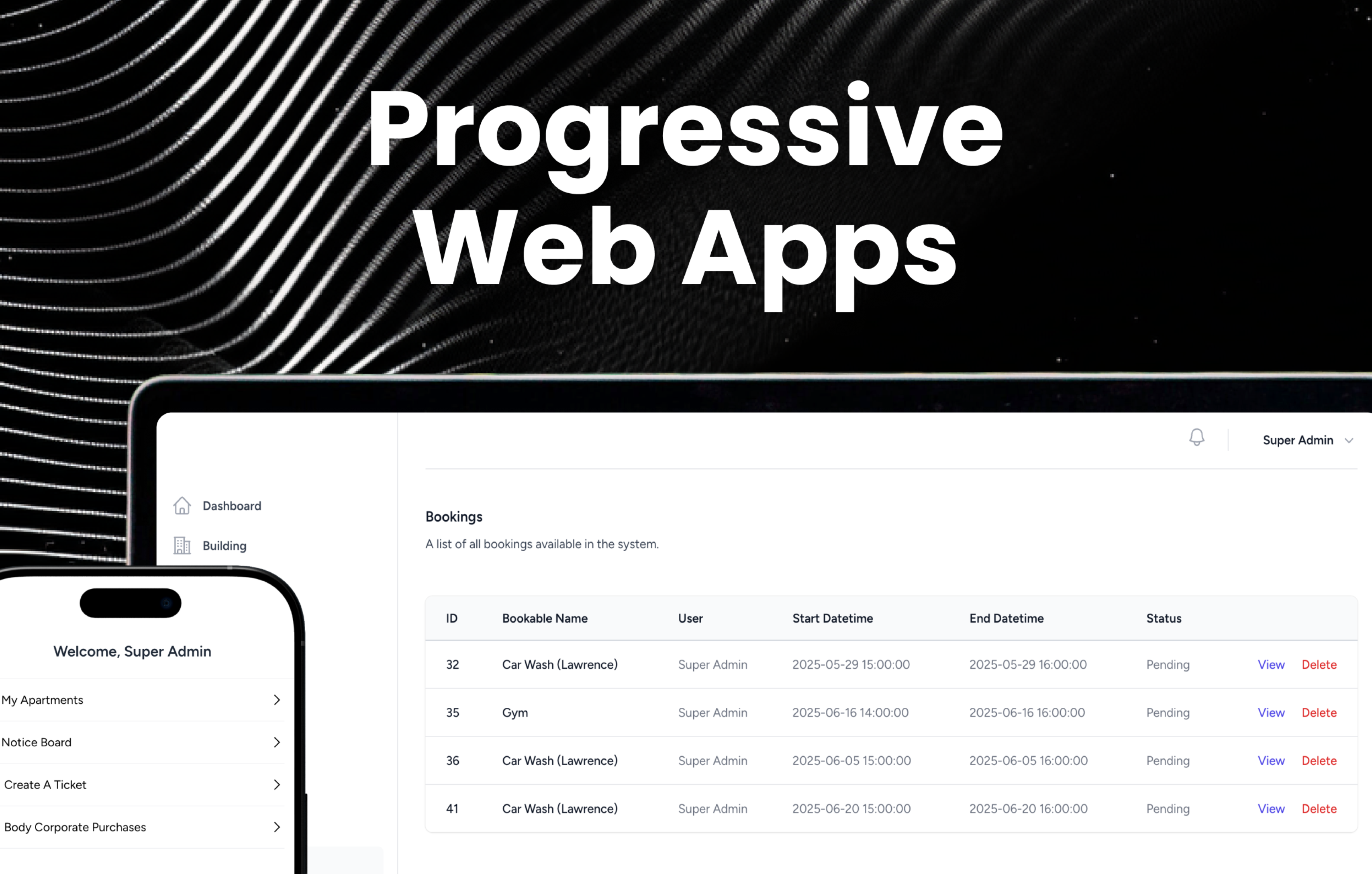
Digital transformation demands a solution that transcends the limits of traditional mobile apps. You need a digital presence that is not only fast and reliable but also universally accessible without demanding a cumbersome download process. This is the core advantage of Progressive Web Apps (PWAs). Leveraging modern web capabilities, PWAs offer the seamless performance and true offline functionality of a native app, thanks to the revolutionary Service Worker, but are built from a single, cost-effective codebase. Discover how adopting a PWA strategy allows you to eliminate installation barriers, achieve near-instant load times, and drive superior user engagement with features like web push notifications, positioning your business for resilient growth and competitive advantage in the digital marketplace.
In a world of endless apps and platforms, what is it that separates the products we tolerate from the ones we can’t live without? The answer is actually quite simple: intuitive user experience.
In the competitive landscape of digital commerce, the purpose of website design has fundamentally shifted. The mandate for 2026 is that design must be a direct revenue driver. Every visual element...must be strategically engineered to guide the user efficiently toward a purchase.
If 2024 and 2025 taught us anything, it’s that digital is no longer “just your website”, it’s your brand’s primary customer touchpoint. In 2026, website design and development continue to evolve beyond aesthetics. The emphasis is on intelligence, accessibility, purposeful performance and personal connection at scale.
Black Friday isn’t just a shopping day anymore… It’s a full-on digital battleground. The difference between brands that sell out and those that fade into the algorithm? Strategy. We've collated five ways to make sure your online store wins this year, read them now.
Search has changed more in the last three years than it did in the previous decade and AI is the reason. For digital product teams, marketers and business owners, SEO is no longer just about keywords and backlinks, it’s about understanding intent, context and an evolving search landscape where AI systems are the new gatekeepers.
Global audiences don’t behave the same and they shouldn’t be spoken to as if they do, yet many brands still try to stretch a single digital experience across wildly different markets. The result is predictable: mismatched messaging, inconsistent UX, fragmented data and a content team quietly losing its mind…
A comprehensive e-commerce platform allows a business to manage its entire online operation, from displaying products and processing payments to handling inventory and connecting with customers, serving as the essential infrastructure for digital sales. The platform choice dictates growth potential, operational budgets and customer experience.
Cart abandonment is one of eCommerce’s most recurring challenges, but also one of the most solvable. According to Baymard Institute research, almost 70% of online shopping carts are abandoned before checkout… That means the majority of customers who show purchase intent never actually convert.
We live in a world where everything is supposed to “just work.” Swipe your card – get an SMS. Order food – track your delivery. Apply for a permit – get an email update. Behind the scenes, those little moments of convenience don’t magically happen.
The question "How much does a website cost?" is often met with the frustrating answer: "It depends". The true cost is determined by three core factors: the required complexity (e-commerce versus informational), the platform chosen (DIY builder versus custom code) and the labour involved (your time versus a professional's hourly rate).
Launching a digital product is exciting, but it is not without risk. Small mistakes early on can become expensive problems down the line.
For too long, enterprise digital product development has been characterised by a painful paradox: products are built with massive investment, yet often suffer from low user adoption, clunky interfaces and a sluggish pace of innovation. The framework built to break this cycle is Design Thinking (DT).
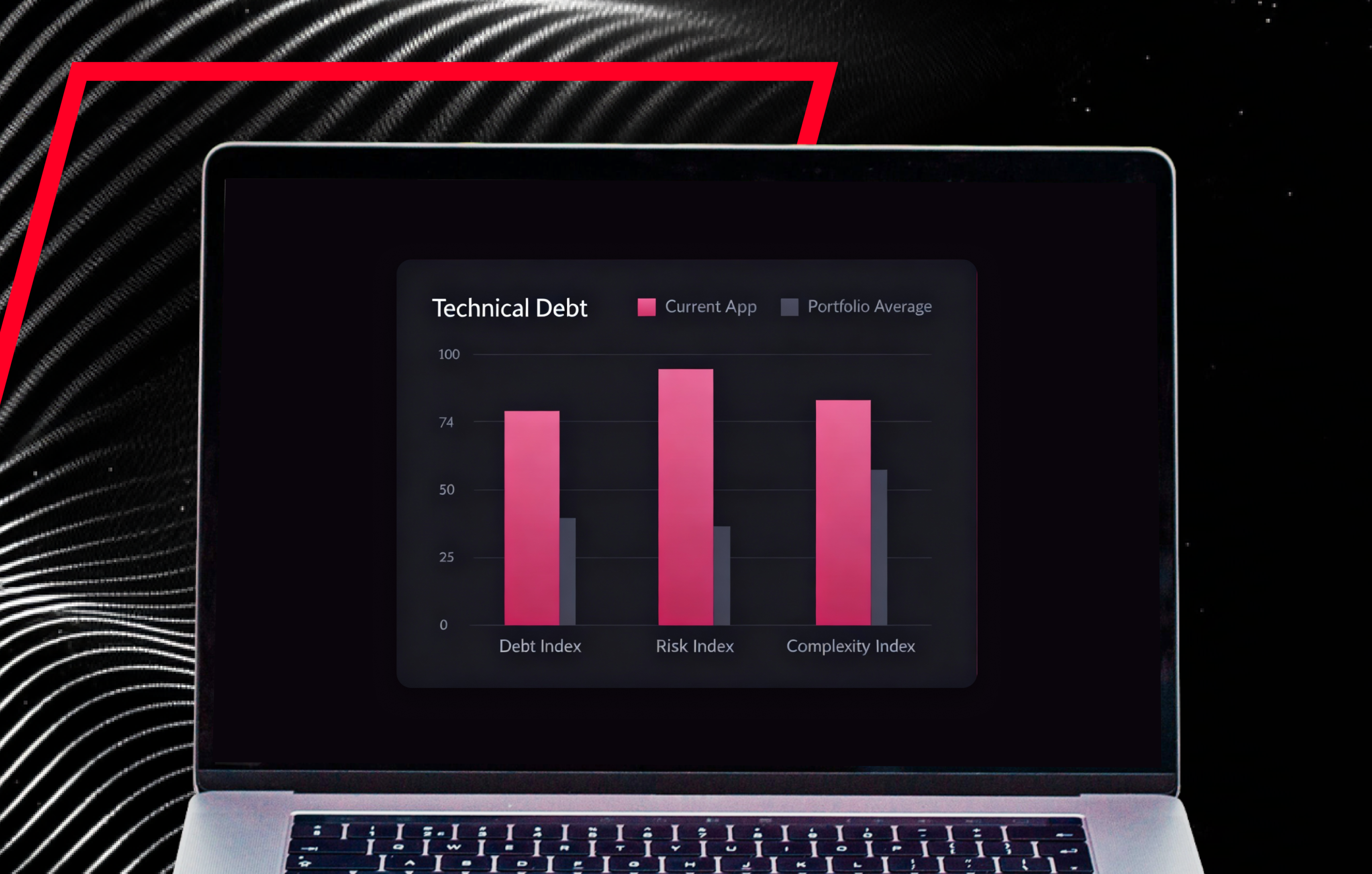
In digital product development, technical debt is a quiet force, easy to overlook, but felt everywhere. It’s the cost of choosing speed over structure, shortcuts over scalability or simply building something before you fully understand what it needs to become.
In the ever-evolving world of digital marketing, one truth remains undeniable: social media is no longer optional — it’s the engine driving modern e-commerce success.
For most businesses, building a website isn’t just a “project”, it’s a strategic milestone. It serves as the storefront, the brand voice, the sales engine and, more and more, the heart of your customer experience. But the reality is: even the most capable teams hit unexpected friction when turning a website into something truly high-performing.
Microinteractions, those fleeting moments of design finesse, are no longer a luxury but a crucial component of modern product strategy. They are the small decisions that solve big problems across the entire user experience. Their core purpose is threefold: communicate status, prevent errors, and to inject delight.
There’s a particular moment every product developer knows: that quiet, slightly ominous pause when something on a website isn’t behaving the way it should. A broken layout here, an API behaving badly there, a feature working perfectly in staging but mysteriously failing in production. Debugging is the unglamorous, behind-the-scenes craft that keeps digital platforms alive, but it’s also where the real engineering thinking happens.
The stark reality is that most SaaS failures aren't due to poor coding, but due to a fundamental mismatch between the solution and a critical market need. SaaS Viability can be seen as a trinity: the solution must simultaneously be feasible, desirable, and economically sustainable.
User Experience (UX) Design is a profound discipline that goes far beyond colours and typography. UX is the process of enhancing user satisfaction with a product by improving its usability, accessibility, and desirability, focusing on the entire journey a user takes.
In the world of digital commerce, design is not merely about aesthetics. Digital design is a powerful tool and driver of business success, results and conversions. Lost conversions are often a design flow problem.
These 10 digital marketing techniques could strategically increase your website's revenue and ROI.
Explore the wonderful world of SEM and several ways that you can increase ROI by including custom Google Ads in your brand’s digital marketing mix.
It’s all fun and games until the robot uprising happens and our last hope of survival is Arnold Schwarzenegger – although initially that’s who/what we were running from so that says something right there.
If you have a strong brand identity, a worthy product and various USPs, that’s great. However, the biggest differentiator between you and your competitors often comes down to customer-centricity.
We live in the information age with answers to our questions at the tips of our fingers, empowering customers more than ever to research and assess their brand choices.
These days I feel like I’m standing in Times Square New York, with a myriad of brands trying to yell louder than the next. My social feeds are mostly littered with noise and it's hard to sidestep any advertising that actually appeals to me as a person.
Now that we’re officially halfway through the year, to say it’s been a turbulent six months would be an understatement.
Even as things outside go back to some semblance of normality, many businesses are having to make big shifts in the output of their offerings and services, with some struggling to find the link to their customers during a time when digital and online are so much more than buzzwords.
No matter how you look at it, our world is forever changed.
What we call here a Black Swan (and capitalise it) is an event with the following three attributes.
11 important things brands should know to thrive in the Customer Experience (CX) age.
What’s a passing fad? What trends will endure? And what part of the cultural soup that we’re forever hurtling through, is a trend that will endure.
Understanding why products don’t bring humans lasting happiness is the clue to understanding the future of marketing.
The latest research I’m reading paints a worrying picture of how consumers think about brands.
Stories are way more powerful than information because of the way the human brain works and learns. Lisa Cron, author of the book Wired For Story, reckons that stories have been as important as opposable thumbs in the evolution of humanity.
Future-fit evangelist, Mike Perk, reveals the 10 things digitally mature leaders do to give them the competitive edge.
“We all have purpose, and I believe that each of us has an assignment we’re here to complete.”
Remember when Victoria’s Secret was on top of the world? Two years ago, the brand staged a fashion show in Shanghai, China, that engaged some 1bn people in 190 countries across the globe.
Yes, this is a piece about predictions. If you think this is just a ploy to get your attention, please give me a minute. I’m hoping this piece will be a little different from the other predictions you’ve read recently.
Walk into the new Yuppiechef store in Gardens Centre, Cape Town, and you’ll experience the kind of hedonist luxury that gastronomes long for.
Manuel Koser, Silvertree Investments founder and managing director, answers big questions about entrepreneurs and online retail.
If you think about it, Bill Gates was the Gary Vaynerchuk of his era. The principal founder of Microsoft, Gates is the world’s second-richest man (Jeff Bezos is #1), thanks to the company he helped grow into a multibillion-dollar technology multinational.
Amanda Herson, director of ecommerce, speaks about the group’s omnichannel future.
What is the health of local retail ecommerce and what contribution is it making to the South African economy?
As a web developer, I find nothing more exciting than trying out a new JavaScript framework or build tool that everyone is raving about.
There is a persistent notion in the digital arena of a mysterious boundary that end users won’t ever venture past: a virtual hedge that ultimately controls the success or failure of a website. But how important is it, really?
An “influencer” is someone who has managed to acquire a large amount of followers on his/her social media profiles, and is perceived to have a certain amount of social influence over/among those followers.
100,000 years ago, humans developed language: stories were used to transfer knowledge from generation to generation.
Is it better to be flashy (and earn new business after the ceremony), or to be data-focused (and earn your client’s loyalty through a sustained ROI)?
As the old adage goes: “If a tree falls in a forest and no one is around to hear it, does it make a sound?”
According to a study by MediKix, global spending on Instagram influencer marketing alone is projected to reach as much as $10 billion by 2020
Digital should be at the core of the business, making operations run more efficiently while helping marketing to connect with consumers in more creative ways.
During this period, newspapers will fall 2.6% while the internet will experience a CAGR of 16.9%.
The Big Small Business Show - 08 Spet 2017: Bradley Elliott, Director: Platinum Seed
The partnership will kick off with Platinum designing and developing the user-experience and user interface for BrightPlan’s launch website.
The world of digital and online media is at an inflection point where the lines between customer, supplier and internal staff communications are beginning to blur
At the dawn of the first Customer Relationship Marketing (CRM) software programmes in the 1970s, retailers relied on customer information collected by sales representatives on basic spreadsheets and stored on mainframe computers
Platinum Seed was tasked with managing the experiential campaign activation and the development of the voice-recognition application
The campaign offered music fans the opportunity to win a single, iconic limited edition Riky Rick X Russian Bear bottle, with a cutting-edge design and the winner’s face and lyrics.
The problem is that old cliché, about only half of advertising being effective but no one knowing which half. The difference today is that companies now demand an answer to that question.
Artificial intelligence, or machine learning (the ability of a computers to learn without being programmed), enables companies and individuals to make calculated, strategic business and personal decisions through the manipulation of enormous volumes of data. The predictive analysis tools built into the technology allow for truly intelligent future forecasting.
Retail goods, even the most niche products, are becoming more and more commoditised and price parity means retailers have to look continuously for more innovative ways to keep customers loyal.
Following on from this, many businesses have found that a well-managed app community – much like a social media community – can also have a significant impact on the bottom line.
Some experts even believe the digital transformation revolution is being fuelled by open source. Since open source has reduced the cost of creating and developing the new digital platforms that drive transformation, and the work is being done collaboratively through code and infrastructure platform sharing, the evolution of technology has bred whole new business models and platforms, most of which are dominating the world’s economy.
Internet retail sales in SA totalled R6.6bn in 2015. But by global standards, online shopping is still in its infancy. Compared to China, SA is decades behind.
We are very passionate about community and social development that makes a real difference in people’s lives,” says Brad Elliott, MD of digital agency Platinum Seed. “When we were approached by 5 For Change to assist them with marketing their event, it was a very natural fit."
Entrepreneurs in the service industry need to shift their approach to business growth and realise good staff are often the “face of a company” and not merely workers feeding off the bottom line, Bradley Elliot, managing director of digital company Platinum Seed says.
The Big Small Business Show - 29 Jan 2016 - Expert Interview with Bradley Elliott
Digital campaigns are not new to alcohol brands although the recent #GlenfiddichMaverick campaign, created by digital innovation company Platinum Seed, is changing the way the single malt whisky brand connects with South African consumers.
How to effectively monetise apps, increase ROI and strengthen business models will be tackled at Apps World Africa 2015, being held under the auspices of AfricaCom in Cape Town in November.
The social media revolution is more than just connecting people on a social level, for corporates, it’s about influencing customers.