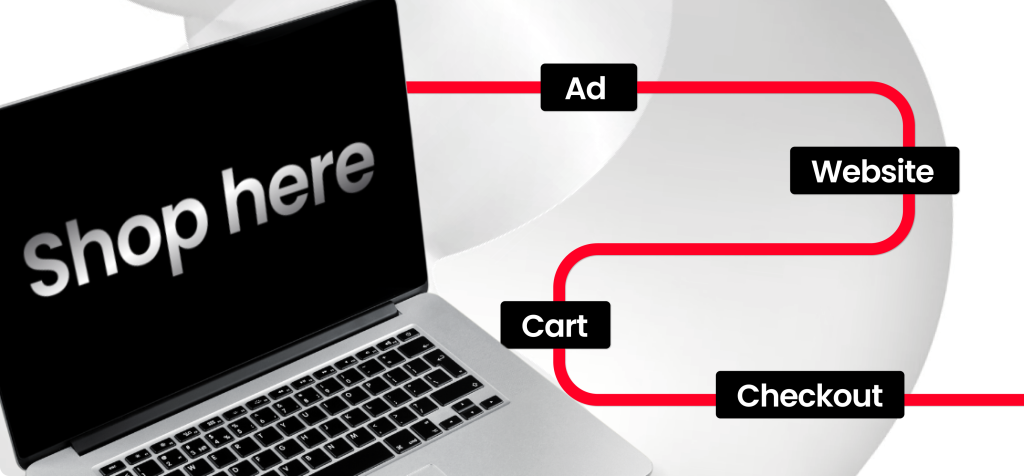
In the competitive landscape of digital commerce, the purpose of website design has fundamentally shifted. It is no longer enough for an e-commerce store to be merely beautiful; the mandate for 2026 is that design must be a direct revenue driver. Every visual element, interaction point and piece of content must be strategically engineered to guide the user efficiently toward a purchase. Boosting your Return on Investment (ROI) through design means systematically removing friction, building trust and utilising smart data to personalise the shopping journey. Here are ten tactical shifts you should implement now to ensure your design choices directly translate into higher conversion rates and greater profitability.
1. Focus on Perceived Performance and Speed
While technical page load speed is essential, perceived performance—how fast the user thinks the site is—is equally critical for ROI. Design trickery, such as using skeleton screens, subtle loading animations and prioritising the loading of above-the-fold content, makes the site feel instantaneous. When a user feels no waiting time, the shopping experience feels more reliable and professional, reducing the chance they will abandon the site out of frustration before the products even render.
2. Implement Hyper-Focused Mobile Checkout
Given that mobile traffic dominates, the mobile checkout process must be the single most optimised part of your site. Design the flow to be thumb-friendly, ensuring all buttons are large and easily accessible with one hand. Utilise mobile browser capabilities like digital wallet integrations (Apple Pay, Google Pay) and one-click solutions like Shop Pay to bypass manual form entry. Eliminating just one step or one required field in the mobile funnel can have an outsized impact on conversion rates and ROI.
3. Leverage Visual Commerce with Video and 3D
Static images are quickly becoming insufficient for product clarity. To boost user confidence and reduce returns, designs must incorporate rich media, such as high-definition video demonstrations that show the product in context or even 360-degree interactive views. For certain items (like furniture or apparel), leveraging Augmented Reality (AR) previews allows customers to visualise the product in their own space, acting as a powerful tool that closes the gap between the screen and the real-world utility, thereby increasing purchase intent.
4. Strategise Social Proof Placement
Social proof—customer ratings and reviews—is the most potent form of trust signal. Rather than confining reviews to a separate tab, the design must integrate them strategically. Show the average star rating prominently and dynamically near the product price on product pages and feature a small, rotating stream of recent customer quotes on the homepage and throughout the funnel. The design should make it impossible for a user to consider buying without immediately seeing validation from prior customers.
5. Showcase the Value Proposition Above the Fold
A visitor needs to know immediately why they should stay and shop with you. The design space above the fold (the first screen seen without scrolling) must be dedicated to a clear, succinct value proposition. This is not about the product itself, but about the benefit of buying from you (e.g., "Free Shipping Over $50," "Lifetime Guarantee," "Ethically Sourced Goods"). This immediate clarity manages expectations and instantly establishes a reason for the user to commit to exploring the rest of the page.
6. Master Faceted Navigation and Smart Filters
A common reason for user abandonment is the inability to quickly narrow down a large catalogue. The design of your collection pages must incorporate faceted navigation—a system of filters that allows users to drill down by multiple attributes (size, material, colour, price) simultaneously. These filters should be fast, intuitive and prominently placed, immediately helping the user find the specific item they want without frustrating delays or excessive page reloading.
7. Deploy Personalised Product Recommendations
In 2026, generic "Related Items" sections will no longer suffice. Design should leverage smart algorithms to deliver hyper-personalised recommendations based on the user's browsing history, purchase data and items currently in their cart. These dynamically generated recommendations, appearing on product pages, cart pages and even empty search result pages, increase the Average Order Value (AOV) and ensure the user's journey is highly relevant.
8. Integrate Seamless Guest Checkout
One of the oldest conversion barriers is the mandatory requirement to "create an account" before purchase. The design must eliminate this friction point entirely by implementing a seamless guest checkout option as the default. The user should be allowed to input their email and shipping details without selecting a password until after the purchase is complete. This subtle shift prioritises conversion speed over data collection and drastically reduces cart abandonment.
9. Design Scannable, Benefit-Focused Descriptions
Product descriptions should not be monolithic blocks of text. The design must make them scannable by utilising bullet points, bold text for key features and short, concise paragraphs. Critically, the language must focus on the benefit to the customer, not just the feature of the product. For example, instead of "Durable 5-Layer Composite," the design should highlight "Built to Last: Guaranteed for 10 Years."
10. Utilise Ethical Urgency and Scarcity Triggers
Strategic design uses psychological triggers to motivate immediate action. This should be done ethically and transparently. Design elements that showcase low stock warnings (e.g., "Only 3 Left!"), time-limited offers (e.g., "Free Shipping Ends in 02:30:15"), or highlighting products "Trending Now" can be highly effective. The design of these triggers—often a small banner or countdown timer—must be high contrast and centrally placed near the CTA to prevent procrastination.
Summary: Boosting your ROI.
Achieving maximum ROI in e-commerce requires viewing design as a conversion science. The days of designing solely for visual appeal are over. By focusing on these ten tactical shifts, prioritising mobile experience, leveraging data for personalisation and systematically removing every point of friction, you move beyond simple aesthetics and build a digital experience that is highly efficient, trustworthy and engineered for long-term profitability.
-------
Platinum Seed is the product development partner you’ve been looking for to provide tangible growth and real impact to your business. Let’s talk.