In the digital world, the term "design" is often mistakenly reduced to aesthetics: the visual appearance of a product. However, User Experience (UX) Design is a profound discipline that goes far beyond colours and typography. UX is the process of enhancing user satisfaction with a product by improving its usability, accessibility and desirability, focusing on the entire journey a user takes when interacting with a service, website, or application. It is the architectural plan that determines not just what the user sees, but how they feel while trying to achieve a goal, such as purchasing a product, finding information, or completing a complex task.
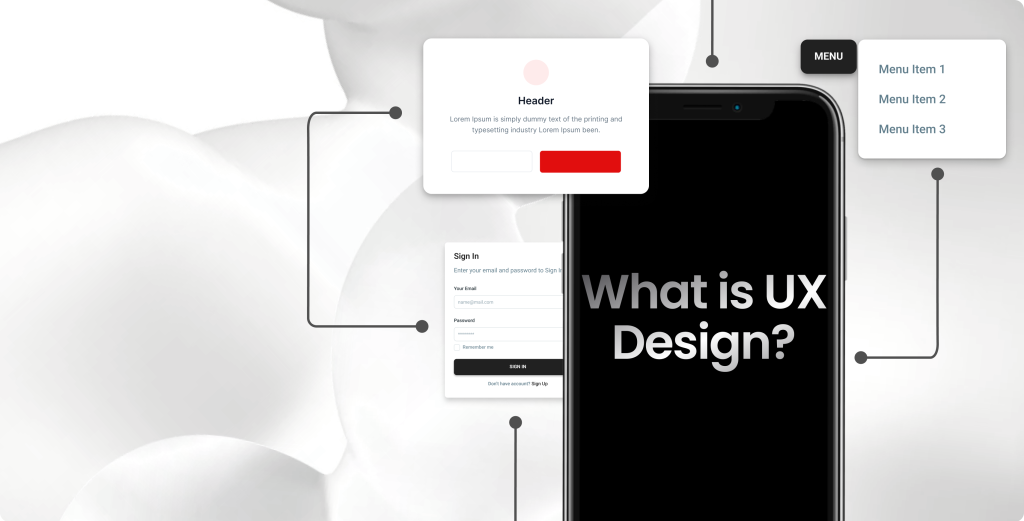
What is UX Design? (The Discipline)
UX design is a holistic, non-linear process rooted in research and empathy. It encompasses a wide scope of activities, including user research to understand needs, wireframing and prototyping to map out the flow, information architecture to organise content logically and interaction design to define how the product behaves when the user touches or clicks an element. UX designers are essentially problem-solvers, asking fundamental questions: Is this product easy to learn? Can the user complete the task quickly? And critically, is the experience enjoyable? By focusing on these factors, UX design bridges the gap between a product's technical capabilities and the human need for a smooth, intuitive interaction.
Good UX ensures that the technology remains invisible, allowing the user to focus solely on achieving their objective without frustration.
Why UX is Crucial for Business Success
Intentional UX design is not an optional luxury; it is a critical investment that directly influences a company's bottom line and long-term viability. The first major impact is maximising conversions and revenue. When a website or app is difficult to navigate, users create friction for themselves, leading to abandonment from a high bounce rate, as discussed previously. By simplifying checkout processes and clarifying Calls to Action (CTAs), good UX reduces this friction and increases the percentage of visitors who complete a desired action, such as making a purchase or signing up for a service.
Secondly, investing in UX reduces development costs. Solving a usability problem during the design phase (using wireframes and prototypes) is exponentially cheaper than fixing a fundamental flaw after the product has been coded and launched. Finally, superior UX increases customer loyalty and retention. Users stick with products that are easy and pleasant to use. A positive experience encourages repeat usage and turns customers into brand advocates, differentiating the product from competitors who may have similar features but deliver a frustrating experience.
The Pillars of Good UX (The Experience)
The success of a product's UX can be measured by four key pillars. Usability ensures the product is efficient and effective, allowing the user to complete tasks with minimal effort. Accessibility guarantees that the product is usable by people of all abilities, including those who rely on screen readers or other assistive technologies. This is a growing legal and ethical necessity. Findability dictates whether content and features are logically organised and easy to discover, ensuring users don't have to search endlessly for a core function. Finally, Desirability refers to the emotional connection; the product should be aesthetically pleasing and communicate value, making the user want to interact with it again. When these four pillars are aligned, the result is a truly excellent user experience.
Conclusion
UX design is the strategic foundation that determines the success of any digital product. It represents the bridge between technical capability and human satisfaction. By viewing UX as a continuous strategic investment, rather than a one-time aesthetic fix, companies ensure they are building products that are not only functional but also secure, efficient and delightful to use. Ultimately, the quality of your UX determines how much revenue you generate, how often customers return and how strong your brand loyalty remains in a crowded market. Would you like me to elaborate on the typical tools used in each phase of the UX design process (e.g., research vs. prototyping), or should we move on to the next topic?
-------
Platinum Seed is the product development partner you’ve been looking for to provide tangible growth and real impact to your business. Let’s talk.