Introduction
Choosing the right payment gateway is a critical decision for any business that accepts online payments. The gateway you pick affects conversion rates, customer trust, operational efficiency, fees, and your ability to scale. This guide walks you through the essential factors to evaluate, practical comparisons, and a simple checklist to help you choose the best payment gateway for your business needs.
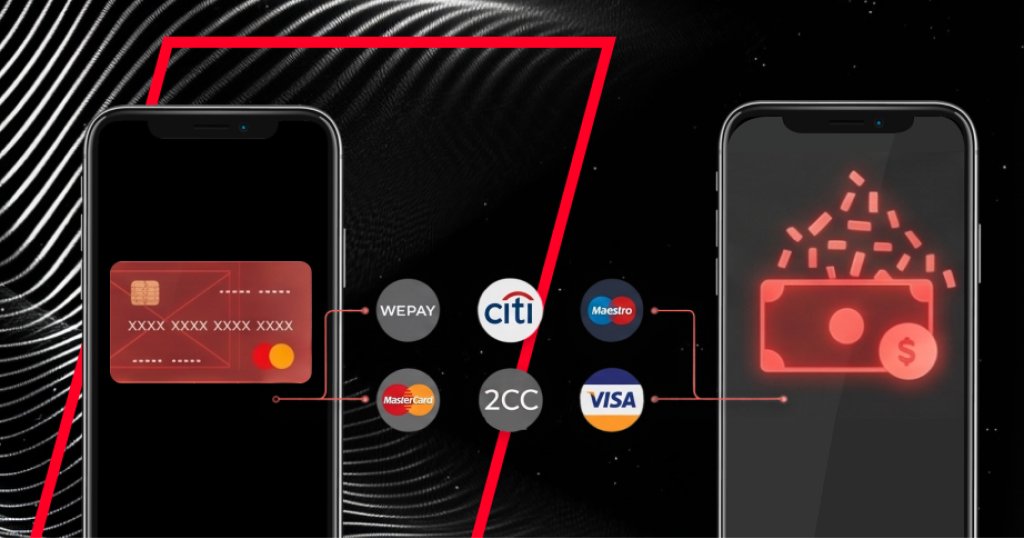
Understand what a payment gateway does
A payment gateway securely authorises and processes card and alternative payments between your website/app and the acquiring bank. It handles card details, fraud screening, tokenization, notifications, and returns the transaction result so you can complete or decline an order.
Key factors to evaluate
Payment methods supported: it is important to know upfront what payment methods are supported by the payment gateway. It is important to choose payment methods that your customers actually use, Different payment methods include:
Cards (Visa, Mastercard, Amex)
Local schemes (e.g., EFT, iDEAL, EFTPOS)
Wallets (Apple Pay, Google Pay)
BNPL, direct debit, and alternative local methods
Fees and pricing structure: make sure you have oversight of the various fees so that the costs can be considered. Compare all components; the cheapest per-transaction rate can still be costly with high monthly or chargeback charges. Various charges or fees will include:
Transaction fees (percentage + fixed per transaction)
Monthly fees
Setup/integration fees
Chargeback fees, refund fees, gateway-hosted page fees
Security & compliance: this is a critical factor, when choosing a payment gateway, ensure you select a vendor who has the various compliance that you require. Security capabilities of your payment gateway will protect your businesses revenue and reputation.
PCI DSS compliance (gateway-managed tokenization reduces your scope)
EMV 3-D Secure support and risk-based authentication
Fraud tools and machine learning-based screening S
Conversion & checkout experience: A smooth checkout reduces cart abandonment and increases AOV (average order value).
Hosted checkout vs. embedded (iframe) vs. fully integrated (API): this should be reviewed in the
Mobile optimisation and smart routing for failed cards: good user experience is important, it is also important to understand if your consumers are on mobile or desktop and enhancing both journeys accordingly.
One-click payments and saved card/tokenization
Settlement speed & payout options: Faster settlements help cash flow; multi-currency options reduce FX pain.
Daily vs. weekly settlements
Currency support and multi-currency payouts
Local bank transfers vs. international transfers
Integration and developer experience: consult a developer to understand what is required:
SDKs, REST APIs, sample code, and client libraries
Plugins for e-commerce platforms (Shopify, WooCommerce, Magento)
Webhooks and reporting APIs for reconciliation Good docs and SDKs speed up deployment.
Reliability & uptime: Reliability equals fewer interrupted sales which results in better customer experiences and higher revenue. When consumers experience issues with payment gateways it impacts the level of trust they have in your business.
SLA, historical uptime, and redundancy
Local presence or data residency if required
Reporting, analytics & reconciliation: Reporting reduces manual reconciliation pain. In this digital it is a lost opportunity to not have detailed reporting from your payment gateway. With this data you can make informed strategic decisions about your sales. Look for a payment gateway that offers:
Detailed dashboards, exportable reports, and dispute management tools
Transaction-level data for accounting and BI
Customer support & merchant services
24/7 support, onboarding help, dedicated account manager
Help with disputes, refunds, and chargeback mitigation Responsive support reduces operational headaches.
Types of payment gateway setups
Hosted payment pages: Customer is redirected to the gateway’s hosted page to enter payment details. Pros: lower PCI burden; cons: potential UI mismatch and redirect friction.
Embedded checkout/iframe: Checkout stays on your site but fields are served by the gateway; better UX with reduced PCI scope.
Fully integrated API: You collect card data and pass to gateway (requires highest PCI compliance). Best for fully custom experiences.
Aggregator platforms (Stripe, PayPal, others): Faster onboarding and fewer contractual hassles, but sometimes higher per-transaction fees or limited control.
When to choose an aggregator vs. direct processor
Aggregator (Stripe, Square, PayPal, etc.): choose if you want fast onboarding, developer-friendly APIs, and integrated add-ons (billing, subscriptions, marketplaces). An aggregator payment gateway is great for startups and SMEs.
Direct processor/acquirer relationship: choose if you process high volume, need lower interchange-plus pricing, custom risk rules, or want to negotiate rates. This type of payment gateway is better for larger merchants.
Local considerations (important for region-specific businesses)
Support for local payment rails and compliance with regional regulations (e.g., PSD2 in EU, local KYC)
Local currency settlement and pricing transparency
Presence of local support and integration with regional logistics or tax systems
Cost example considerations Always model the total cost of ownership:
Estimate monthly transaction volume and average ticket size
Calculate per-transaction fees, monthly fees, chargeback expense, and any international or currency conversion fees
Factor in development/integration costs and ongoing maintenance
Fraud mitigation and chargeback handling
Look for gateways with layered fraud protection: device fingerprinting, velocity rules, 3DS, risk scoring to mitigate risk and ensure.
Gateways that offer dispute management tools and chargeback representment services can recover lost revenue and reduce workload.
UX best practices to maximize conversions
Use tokenization for saved cards and one-click checkout
Offer local payment options at checkout based on geolocation
Optimise mobile checkout with native wallets and fewer form fields
Provide clear trust signals (SSL, PCI badges, logos of supported cards)
Shortlist & test before committing
Shortlist 3–4 gateways that meet your must-have criteria (payments supported, fees, security, integrations)
Run a pilot: test checkout flows, mobile experience, settlement reporting, and customer support response
Measure conversion, error rates, and reconciliation effort during the pilot
Quick decision checklist
Does it support your customers’ preferred payment methods?
Are fees and settlement timing acceptable for your cash flow?
Is the solution PCI-compliant and secure?
Does it provide a smooth mobile checkout and reduce friction?
Can you integrate easily with your stack and reconcile transactions?
Are fraud tools and chargeback processes sufficient?
Is customer support reliable and accessible in your region?
Conclusion
The “best” payment gateway depends on your business size, customer preferences, geography, transaction volume, and technical resources. Start with a clear map of your requirements, shortlist gateways aligned to your priorities, run a short pilot, and choose the one that balances cost, security, and conversion. If you’d like, I can help evaluate options tailored to your platform (Shopify/WooCommerce/custom), target markets, and monthly volume—tell me your top priorities and transaction estimates and I’ll shortlist recommendations.
-------
Platinum Seed is the product development partner you’ve been looking for to provide tangible growth and real impact to your business. Let’s talk.