Introduction
In an increasingly digital world, users have more choice - and less patience - than ever before. If a website, app, or platform does not immediately meet their needs, they will leave.
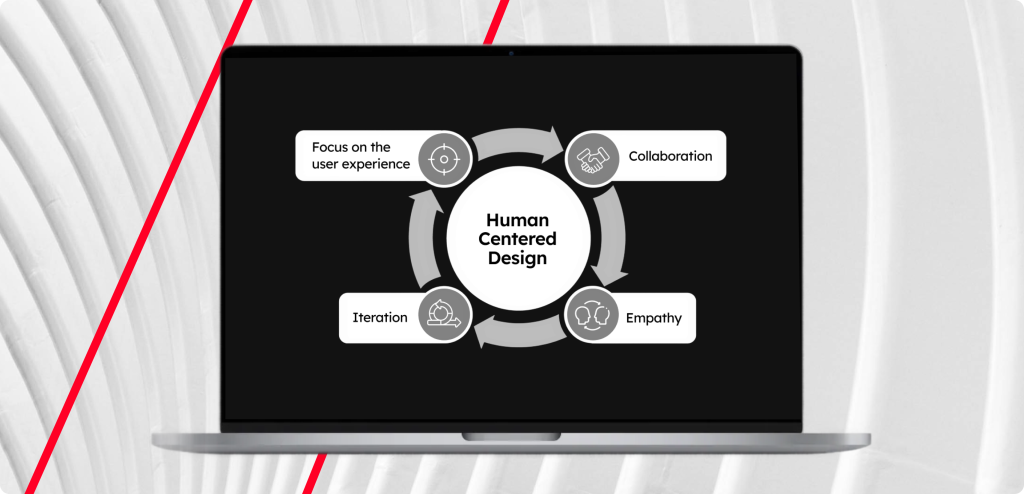
This is why human-centered design has become essential. It shifts the focus from what a business wants to show, to what a user actually needs to experience.
At its core, human-centered design is about empathy, clarity, and simplicity.
1. Understand Real User Needs Through Research
Effective digital experiences begin with understanding the user, not assumptions about them.
Key research methods include:
User interviews and surveys
Behavioural analytics and heatmaps
Customer journey mapping
Usability testing
Tools like Google Analytics and session recording platforms help reveal how users actually interact with digital products, not just how we expect them to.
2. Design for Clarity, Not Complexity
Users should never have to “figure out” how to use your digital product. Clarity should always win over cleverness.
Principles of clear design:
Simple navigation structures
Clear calls-to-action
Minimal cognitive load on pages
Consistent layout and interaction patterns
Good design feels invisible, it guides users without friction or confusion.
3. Build Experiences Around User Journeys
Human-centered design focuses on the full journey, not isolated pages or screens.
A strong user journey considers:
Awareness (how users find you)
Consideration (how they evaluate you)
Conversion (how they take action)
Retention (how they return and engage again)
Mapping these stages helps ensure every interaction has purpose and direction.
4. Prioritise Accessibility and Inclusivity
Great digital experiences are usable by everyone, regardless of ability, device, or context.
Accessibility best practices include:
Readable typography and contrast ratios
Keyboard-friendly navigation
Screen reader compatibility
Mobile-first design considerations
Inclusive design is ethical, it also expands your audience reach and improves overall usability.
5. Use Data to Continuously Improve Experiences
Human-centered design is not static. It evolves based on real user behaviour and feedback.
To improve continuously:
Track user interactions and drop-off points
Run A/B tests on key pages and flows
Collect qualitative feedback from users
Iterate designs based on evidence, not opinion
Design decisions should always be validated through real-world performance.
6. Balance Creativity with Functionality
While aesthetics matter, they should never compromise usability. The best digital experiences combine creativity with function.
This means:
Visually engaging design that still feels intuitive
Brand expression without overwhelming the user
Interactive elements that enhance, not distract
Design should support the user journey - not compete with it.
7. Align Design with Business Goals
Human-centered design is about users, but it also needs to support business outcomes. Business outcomes should be understood
Strong alignment ensures:
Higher conversion rates
Better user retention
Increased customer satisfaction
Stronger brand perception
Learn how design connects to growth in Strategies for Selling and Scaling Your Business Across Digital Platforms
8. Connect Design to Brand Experience
Every digital interaction shapes how users perceive your brand. Consistency builds trust. That trust results in customer retention.
This includes:
Visual identity across platforms
Tone of voice in content and messaging
Seamless transitions between touchpoints
Cohesive storytelling across digital channels
Explore brand alignment further in The Ultimate Guide to Brand Strategy
Conclusion
Designing human-centered digital experiences is about more than aesthetics, it is about understanding people, anticipating needs, and removing friction from every interaction.
When businesses design with empathy and clarity, they create experiences that not only look good but perform exceptionally well.
In a competitive digital landscape, the most successful brands are those that design for humans first and technology second.
-------
Platinum Seed is the product development partner you’ve been looking for to provide tangible growth and real impact to your business. Let’s talk.