Innovation doesn't happen in a vacuum. It requires a systematic approach to transforming ideas into viable solutions that address real-world problems. At the heart of this transformation lies prototyping, a powerful methodology that bridges the gap between conceptualisation and implementation.
What is Prototyping?
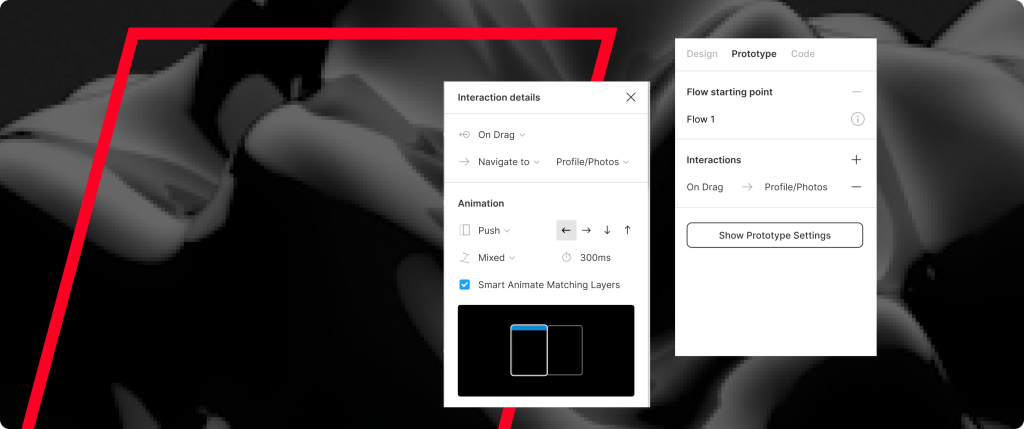
Prototyping is the process of creating preliminary versions of a product, service, or system to test and validate concepts before full-scale development. These early models can range from simple sketches and wireframes to functional digital prototypes or physical mock-ups, depending on the nature of the project.
The Strategic Importance of Prototyping
Risk Mitigation: One of the primary benefits of prototyping is its ability to identify potential issues early in the development cycle. By testing core assumptions and functionalities in a low-stakes environment, teams can uncover flaws, usability problems, or market misalignments before investing heavily in production.
Accelerated Learning: Prototypes serve as learning vehicles that generate valuable insights about user behavior, technical feasibility, and market demand. This rapid feedback loop enables teams to make informed decisions and pivot quickly when necessary.
Enhanced Communication: Visual and interactive prototypes facilitate better communication among stakeholders, including developers, designers, investors, and end-users. They provide a tangible reference point that helps align expectations and clarify requirements.
Types of Prototyping Approaches
Low-Fidelity Prototyping
These include paper sketches, wireframes, and basic mockups that focus on core concepts and user flows rather than visual polish. They're quick to create and ideal for early-stage ideation.
High-Fidelity Prototyping
These prototypes closely resemble the final product in terms of functionality, design, and user experience. They're particularly valuable for user testing and stakeholder presentations.
Functional Prototyping
These working models demonstrate key features and technical capabilities, allowing teams to test performance, integration, and scalability concerns.
Best Practices for Effective Prototyping
Define Clear Objectives: Establish what you want to learn or validate through the prototyping process
Start Simple: Begin with low-fidelity prototypes and gradually increase complexity
Iterate Rapidly: Embrace a cycle of build-test-learn-refine
Involve Users Early: Get feedback from actual users throughout the process
Document Insights: Capture learnings and decisions to inform future iterations
The Impact on Development Timelines
Organizations that implement structured prototyping processes often see significant improvements in their development timelines. By identifying and resolving issues early, teams can avoid costly redesigns and rework later in the development cycle. Studies show that companies using prototyping methodologies can reduce development time by up to 30% while improving final product quality.
Industry Applications
Prototyping has proven valuable across diverse industries:
Technology: Software companies use prototyping for app development and user interface design
Manufacturing: Physical prototypes help test form, fit, and function before mass production
Healthcare: Medical device prototyping ensures safety and efficacy before clinical trials
Architecture: Scale models and virtual prototypes help visualize and refine building designs
The Future of Prototyping
Emerging technologies like 3D printing, virtual reality, and artificial intelligence are expanding the possibilities for prototyping. These tools enable faster iteration cycles, more realistic simulations, and better collaboration among distributed teams.
Conclusion
Prototyping is no longer optional in today's competitive landscape, it's essential. Organizations that embrace prototyping as a core component of their innovation strategy position themselves to respond more effectively to market changes
-------
Platinum Seed is the product development partner you’ve been looking for to provide tangible growth and real impact to your business. Let’s talk.